Bottom Line:Current Tulo models are fiberglass-free, but older stock may differ. Tulo does not publish its exact fire barrier details on its main site. Every bed sold in the U.S. must pass strict federal fire rules. Always check the sewn-in law tag when your bed arrives.
Current Tulo models are fiberglass-free, but older stock may differ. The maker does not publish a full list of fire barrier materials for every past line. Older boxed beds or clearance stock may use different materials than newer beds.
Manufacturer Disclosure Check (Tulo · Checked Nov 25, 2026)
We checked mattressfirm.com on Nov 25, 2026 and didn't find a standalone fiberglass statement online. That's a potential warning sign: a lack of openness about a basic safety fact is worth weighing strongly before you buy.
Model-exception note: Always check your specific bed's sewn-in tag and confirm with support. Older or retailer-exclusive runs can use a different fire barrier than current flagship models.
Jump straight to our dedicated model-level fiberglass breakdown for exact line-by-line disclosures.
What fire barrier does Tulo use to meet federal rules?
Tulo does not publish its exact fire barrier material. Safety badges are also not listed on the brand site. To sell beds in the U.S., a brand must meet CPSC mattress rules.
Federal law requires beds to pass two main tests. Part 1632 tests how a bed handles a lit cigarette. Part 1633 tests open-flame resistance for 30 minutes. Brands often use wool, rayon, thistle, polyester, or glass fiber to pass these rules.
Do Amazon, Costco, or third-party Tulo models differ?
Third-party sellers and clearance outlets can carry older Tulo builds. Older stock may have different tags than beds sold today at Mattress Firm.
Before you buy from a third-party seller, ask for a photo of the build date and law tag. No matter where you buy, always inspect the law tag right when the bed arrives.
What exact language appears on a Tulo law tag?
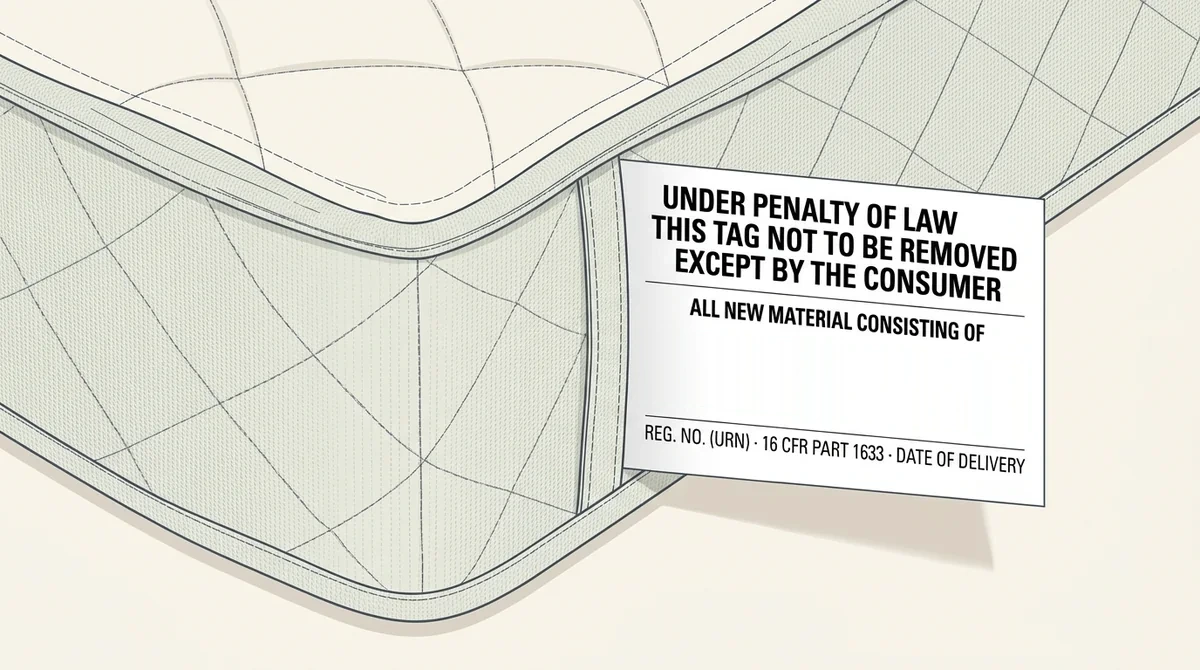
We have not photographed every individual Tulo law tag in-house. Every U.S. mattress must have a permanent label with the month and year of manufacture. Keeping this tag intact lets you prove the exact build date.
Follow these four steps when your bed arrives:
Find the white sewn-in law tag on the bed seam.
Read the "All New Material" section for fiber names.
Look for terms like glass fiber or modacrylic.
Check the manufacture date and plant location.
Illustrative Law-Tag Reference (Tulo: Not a Photo of Your Exact Bed): Tulo does not publish its exact fire barrier materials online, so checking the sewn-in law tag is essential. Keep your Tulo law tag attached so you can verify the exact manufacture date.
Brand-Specific Law-Tag Decoder: What to Look For on Tulo
Fiberglass-Free Terms on Tulo
Wool: A natural fiber that resists flames without glass.
Rayon / Cellulose: A plant-based fiber often used in safe fire socks.
Polyester: A common synthetic fiber used in outer covers.
Watch-Out Terms on Tulo
Glass Fiber: Another name for fiberglass inside the fire barrier.
Fiberglass: Tiny glass threads that can irritate skin and lungs.
Silica: A mineral term sometimes used for glass-based fibers.
Should you unzip or wash the Tulo mattress cover?
Never unzip an outer mattress cover unless the care tag clearly says it is washable. Many beds have an inner fire sock right under the outer cover. Opening that sock can release loose fibers into your room.
If you want to keep your bed clean, use a washable protector on top. Spot clean any small spills with mild soap and water. Visit our Mattress Fiberglass Safety Hub for more care tips.
Safe to do
Use a waterproof, washable mattress protector on top.
Spot clean small stains with mild soap and water.
Keep the sewn-in law tag attached for date proof.
Never do
Never unzip the cover unless the tag says washable.
Never put a non-washable outer cover in a washing machine.
Never pull or cut the inner fire-barrier sock.
Step 1: Blot spills gently with mild soap and cold water
Dab stains lightly with a damp microfiber cloth and mild soap. Don't soak the cover or scrub down into the inner fire barrier.
Step 2: Air-dry the mattress flat without unzipping the cover
Keep the cover zipped and point a fan across the damp spot until it's dry. Washing a non-removable cover can shrink it and expose the inner sock.
Step 3: Add a breathable waterproof mattress protector
Put a washable waterproof protector over the cover on day one. It'll block sweat and spills before they ever reach the bed.
Has Tulo had any CPSC recalls or fiberglass complaints?
As of November 2026, Tulo has 0 active U.S. CPSC mattress recalls. There are also 0 listed federal class actions or FTC legal orders for Tulo as of November 2026.
What should you do if you suspect fiberglass in a Tulo bed?
If you see shiny dust on your bed or floor, act fast. Do not use a standard vacuum, because it can blow tiny fibers into the air.
Turn off your fans and shine a bright flashlight across the bed. Seal the mattress inside a heavy-duty zippered encasement right away. Contact Tulo support and keep your law tag intact to prove the build date.
Skin, Eye & Breathing Safety (When to See a Doctor)
Rinse exposed skin with cold water only, not hot water or scrubbing. Hot water opens your pores and traps fibers deeper. See a doctor if you get a lingering cough, wheezing, eye pain, or a rash that won't clear after rinsing.
Step 1: Shut off fans and HVAC, close the door, and take photos
Turn off ceiling fans and central air right away so fibers don't spread into ducts. Take clear photos of the law tag and shiny dust before you touch the bed.
Step 2: Put on gloves, an N95 mask, and eye protection
Wear long sleeves, nitrile gloves, a fitted N95 mask, and glasses before touching anything. That keeps fine glass fibers off your skin, eyes, and airways.
Step 3: Seal and double-bag the mattress before moving it
Don't drag an uncovered bed through hallways. Zip it inside a heavy waterproof vinyl encasement, tape the zipper shut, and double-bag it before disposal.
Step 4: Vacuum slowly with a sealed True HEPA vacuum only
Don't use a regular household vacuum, because it'll blow glass fibers right back out the exhaust. Use a sealed True HEPA vacuum on carpets, baseboards, and frames.
Step 5: Wet-wipe hard surfaces and replace HVAC air filters
Dry dusting pushes fibers back into the air. Wipe floors and nightstands with damp disposable cloths, then swap in fresh high-MERV HVAC filters.
Step 6: Wash lightly exposed clothes alone or toss heavy ones
Bag heavily coated sheets or curtains and throw them out. Rinse lightly exposed clothes outside, wash them alone on cold, and run two empty rinse cycles.
Mattress fiberglass terms explained in plain English
Confused by terms like “fire sock,” “silica,” “URN,” or “CertiPUR-US” while checking your Tulo bed? Here's what each safety term on a tag or product page actually means.
Inner fire sock (FR sock)
It's a thin, stretchy mesh sleeve wrapped tightly around the foam core under the outer cover. It slows open flames, and it can shed glass shards if you unzip or tear the cover.
Assembly zipper vs. washable cover
A zipper on the bottom usually exists for factory assembly, not washing. Don't unzip it unless the care tag clearly says the outer cover is washable.
Glass fiber and core-spun glass
These are common tag names for fiberglass. Treat glass fiber, fiberglass, glass wool, core-spun glass, and glass yarn as the same woven glass material.
Silica-treated rayon vs. fiberglass
Silica-infused rayon chars safely like ash and doesn't shed sharp glass needles. Seeing silica-treated rayon alone isn't the same as woven fiberglass.
CertiPUR-US doesn't mean fiberglass-free
CertiPUR-US only tests the inner foam for VOCs and chemicals, never the fire sock. Only finished-product GOTS or GOLS organic standards ban fiberglass socks.
6-sided encasement vs. fitted protector
A fitted protector leaves the bottom seam open. Use a 6-sided zippered waterproof encasement if you need to seal a suspect bed completely.
URN and manufacture date
The Uniform Registry Number (like CA-XXXXX) and build date identify the factory and year. You'll need that date to check older pre-transition stock.
16 CFR Part 1632 vs. 1633
Every U.S. bed must pass both federal fire tests. Part 1632 tests smoldering cigarettes, while Part 1633 tests a 30-minute open flame.
What are the best verified fiberglass-free alternatives to Tulo?
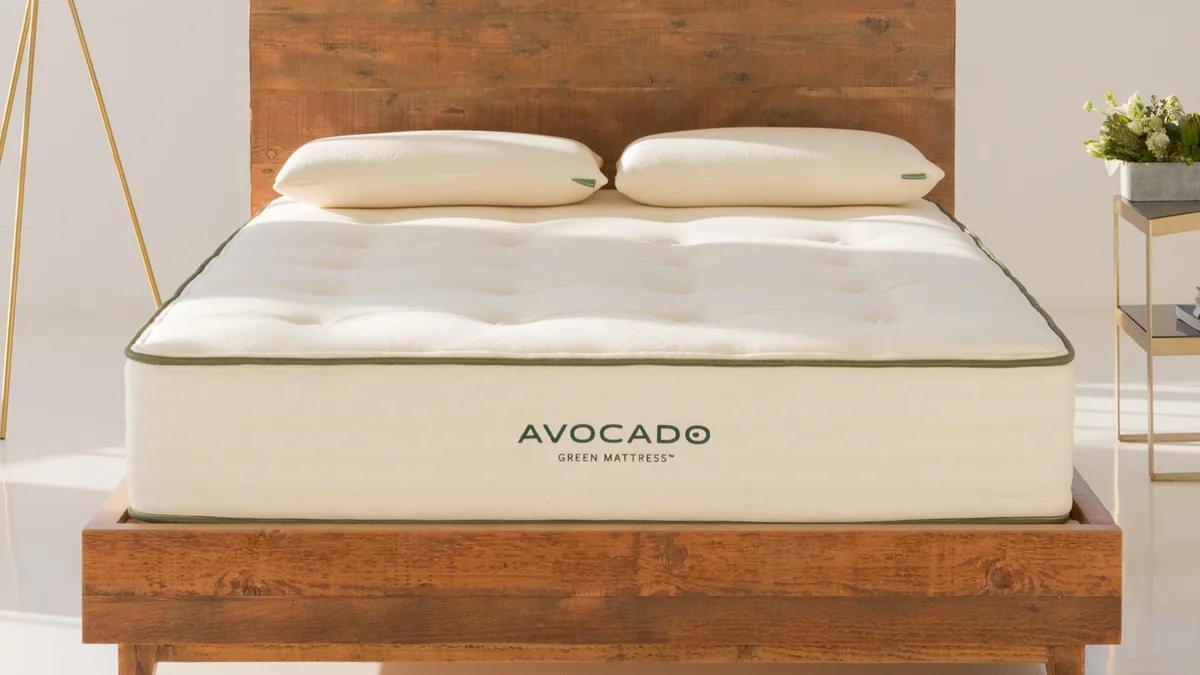
If you want total peace of mind, look for brands that publish their exact fire barrier. Prioritize natural barriers like wool, thistle, or rayon-only socks. These materials pass 16 CFR Part 1633 without using glass fibers.
Compare verified fiberglass-free beds in the cards below.
Advertising disclosure: We may earn a commission if you buy through links or product photos below. It doesn't change what we write. How we make money →
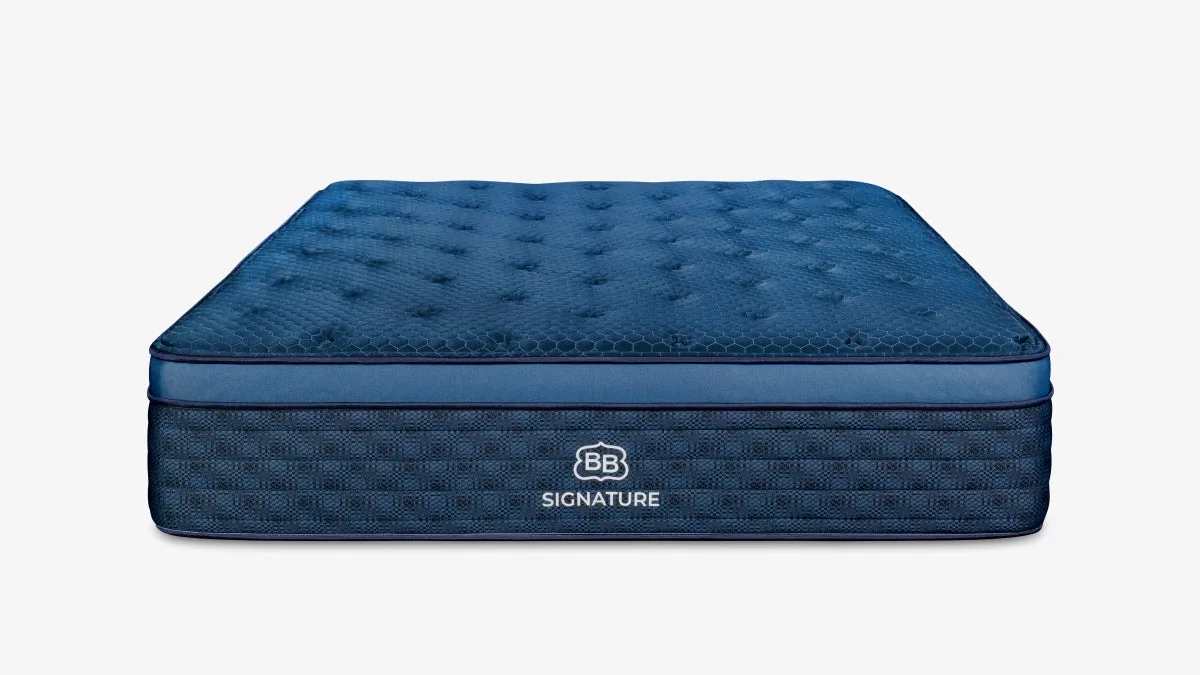
Brooklyn Bedding Signature
Budget Pick · Hybrid · Fiberglass-Free Barrier
$999 Queen · 120-Night Trial · Lifetime Warranty
Why it's fiberglass-free: It uses a fiberglass-free flame barrier in a U.S.-made hybrid at nearly half the cost of organic beds.
Best for: Budget shoppers replacing a boxed foam bed who want a fiberglass-free build under $1,100.
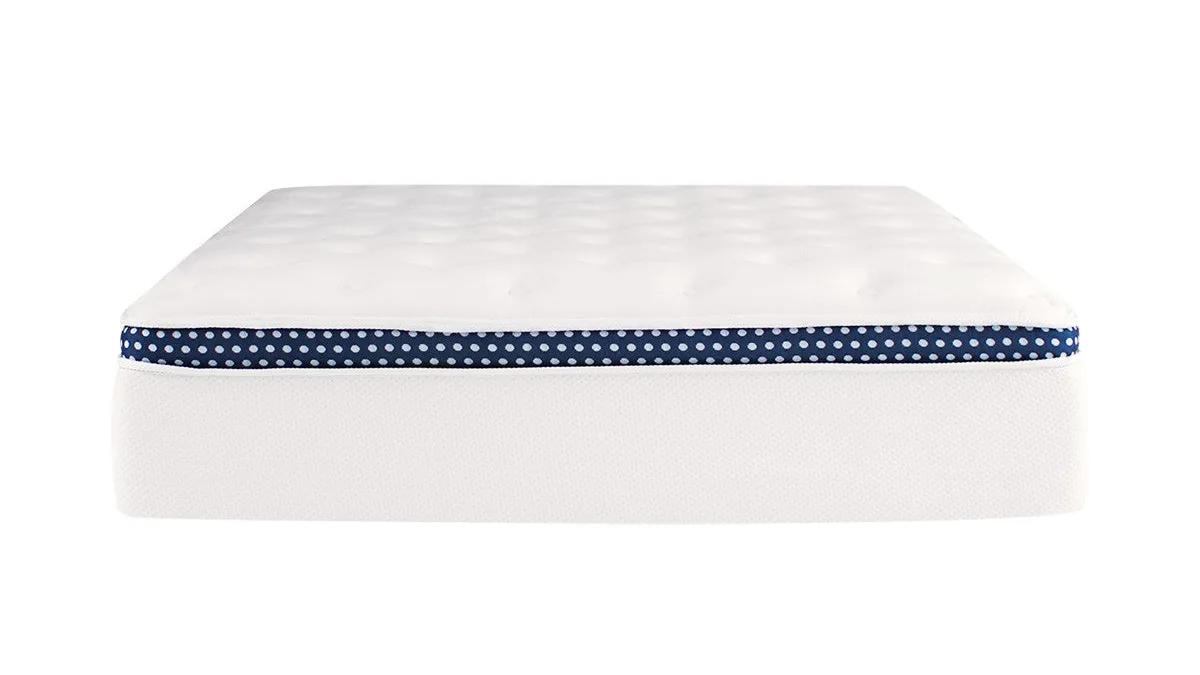
Why it's fiberglass-free: WinkBeds uses a fiberglass-free rayon fire barrier across all four firmness levels. Returns are $0 during the 365-night trial.
Best for: Shoppers who want classic coil support, four firmness choices, and zero fiberglass.
Current Tulo models are fiberglass-free, but older stock may differ. Tulo does not publish its exact fire barrier details on its website.
QHow can I check my Tulo mattress for fiberglass?
Inspect the sewn-in white law tag as soon as your bed arrives. Look for the fiber list and the month and year of manufacture.
QCan I wash my Tulo mattress cover?
Never unzip an outer mattress cover unless the care tag clearly states it is washable. Use a removable mattress protector instead.
QDo Tulo mattresses pass federal fire safety rules?
Yes, every mattress sold in the United States must pass 16 CFR Part 1633 open-flame tests. They must also pass 16 CFR Part 1632 smoldering tests.
QHas Tulo ever been recalled for fiberglass?
No, there were 0 active U.S. CPSC mattress recalls for Tulo as of November 2026. There are also 0 listed federal class actions or FTC orders.
QWhy should I keep the law tag on my Tulo bed?
Federal rules require the tag to show the manufacture date and plant location. Keeping it intact lets you verify when your exact bed was made.
Sources, primary references & how we check
How we check facts: We checked 3 primary sources and federal CPSC recall listings on Nov 25, 2026. We don't cut beds open or run a lab. We report what makers publish and what public federal safety files say.
Nappedia Research Team
Primary-Source Fact Checking
Our research team reads official fire-barrier pages, law-tag notes, and U.S. CPSC 16 CFR Part 1633 rules directly at the source.
Mattress Firm-Top Brands-Fast and Free Delivery (mattressfirm.com). Mattress Firm provides Sleep Experts to help match customers to a bed. Checked Nov 25, 2026. View source →
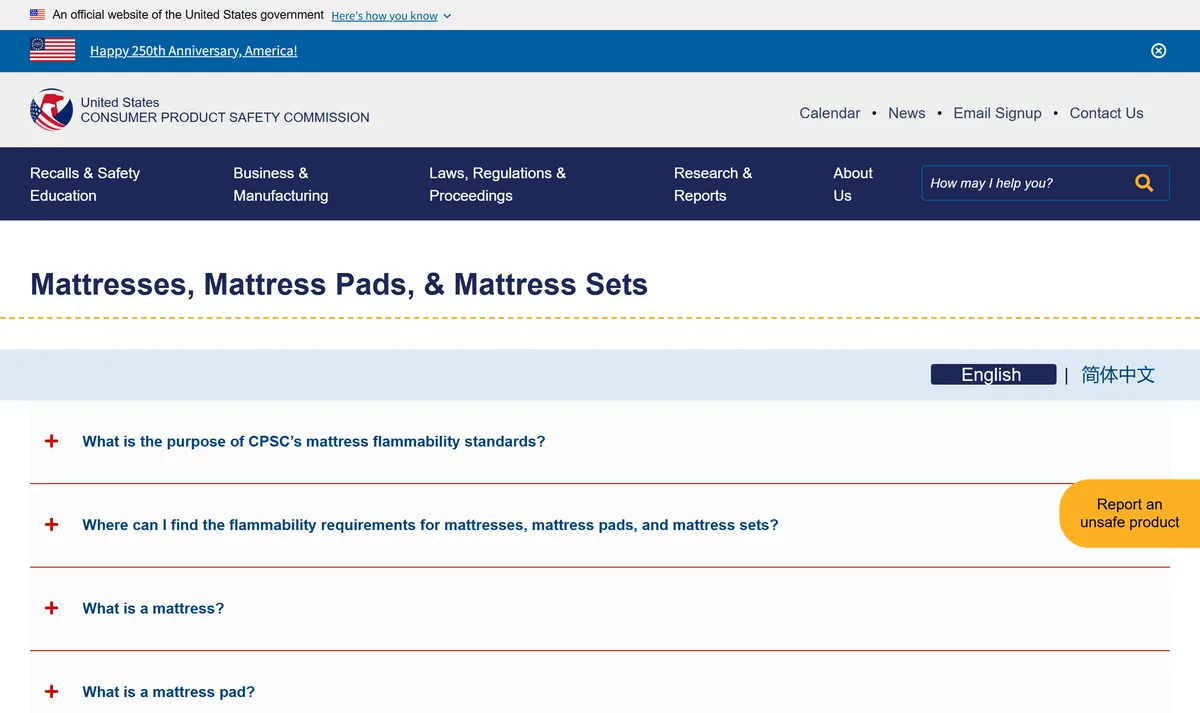
Mattresses, Mattress Pads, & Mattress Sets | CPSC.gov (cpsc.gov). CPSC mattress flammability standards are intended to reduce deaths and injuries associated with mattress fires. Checked Nov 25, 2026. View source →
16 CFR Part 1633 (eCFR) Standard for the Flammability of Mattress Sets (ecfr.gov). Federal open-flame safety regulation governing all U.S. mattress sets. Checked Nov 25, 2026. View source →
Related Fiberglass Guides
Explore more brand & model fiberglass checks
Compare fire barriers across brands or visit our main Fiberglass Safety Hub for cleanup steps.