Big Fig mattresses are 100% fiberglass-free across all four 2026 models. Learn about their cotton, linseed, and flax fire barrier and CPSC safety record.
Bottom Line:No, Big Fig mattresses don't use fiberglass. Big Fig confirms that all four of its 2026 models are 100% fiberglass-free. Instead of glass fibers, the brand uses a natural blend of cotton, linseed, and flax as its fire barrier. Every polyfoam layer inside these beds is also CertiPUR-US certified, so you'll get safe indoor air.
No current Big Fig models contain fiberglass. Big Fig confirms that all four of its 2026 beds are 100% fiberglass-free. TechRadar also featured the brand as a mattress maker that doesn't use fiberglass.
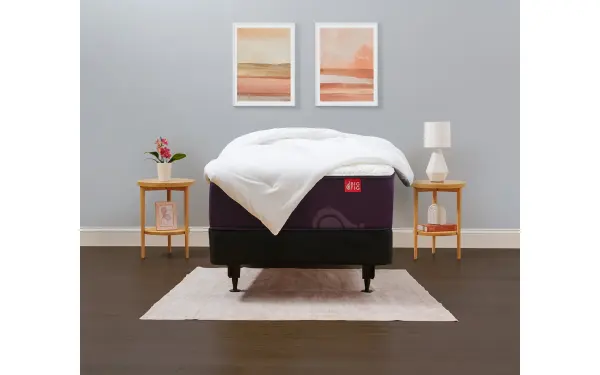
All four Big Fig beds are built in Cleveland, Ohio. They use ThermoGel covers, 2.5-lb foams, and 15-gauge coils. The Classic model also includes gel-infused perforated latex foam.
Manufacturer Disclosure Check (Big Fig · Checked Nov 25, 2026)
We checked bigfigmattress.com on Nov 25, 2026 and didn't find a standalone fiberglass statement online. That's a potential warning sign: a lack of openness about a basic safety fact is worth weighing strongly before you buy.
Jump straight to our dedicated model-level fiberglass breakdown for exact line-by-line disclosures.
What fire barrier does Big Fig use to meet federal rules?
Big Fig uses a natural plant-based fire barrier. A company representative told TechRadar that Big Fig uses a blend of cotton, linseed, and flax. White Dove Mattress builds Big Fig beds with this natural fire barrier.
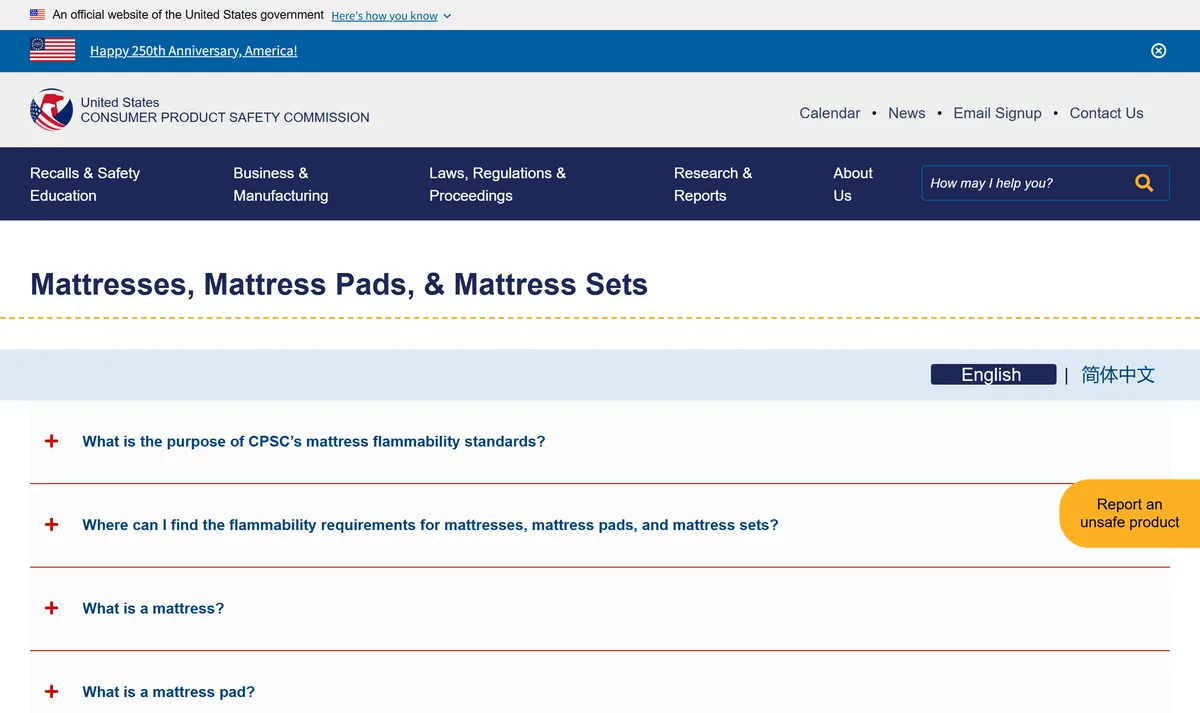
All U.S. mattresses must pass strict fire safety tests. Under CPSC flammability rules, beds must pass 16 C.F.R. part 1632 for smoldering cigarettes. They also must pass 16 C.F.R. part 1633, which tests how a bed handles an open flame for 30 minutes.
Big Fig meets both federal standards without using glass fibers. Its polyfoam layers are CertiPUR-US certified too. That means the foams don't have PBDEs, TDCPP, TCEP flame retardants, mercury, lead, or formaldehyde.
Do Amazon, Costco, or third-party Big Fig models differ?
Direct 2026 Big Fig beds don't differ from each other in safety. Big Fig confirms all four 2026 models use the same safe build. However, third-party sellers or clearance outlets can sometimes hold older stock.
If you're buying from a third-party site, check the product listing and the sewn-in law tag. Under federal rule 16 C.F.R. part 1632, every mattress must list its manufacture month, year, and factory location. Make sure your bed was made recently in Cleveland, Ohio, before you bring it inside.
What exact language appears on a Big Fig law tag?
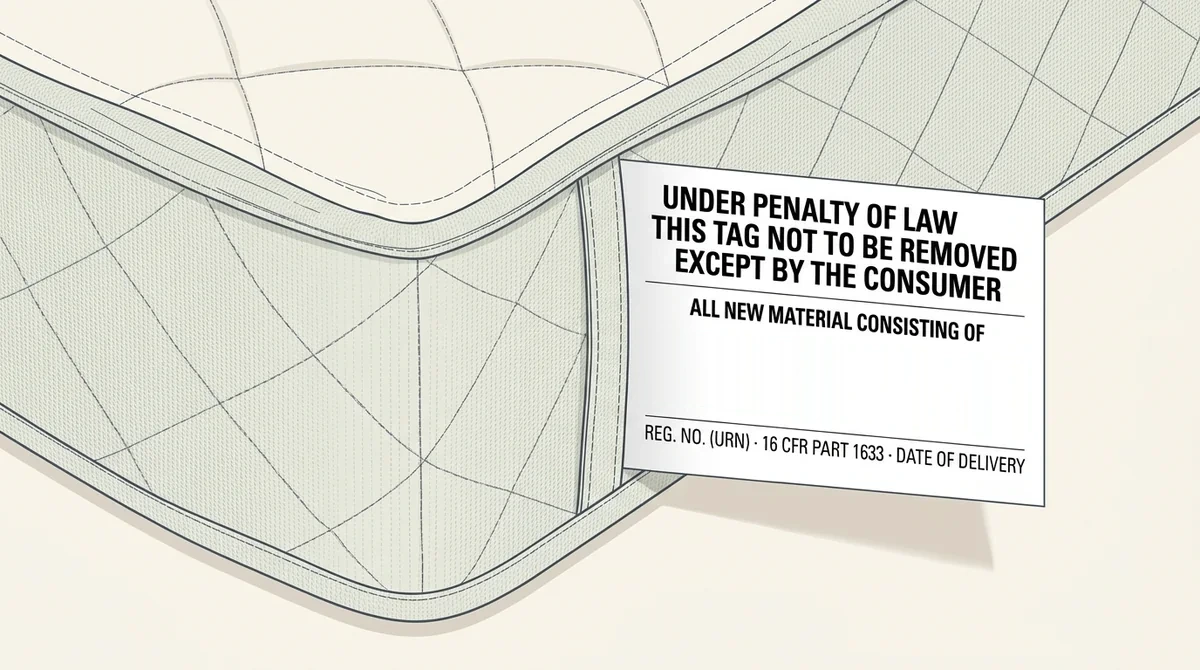
Check your sewn-in law tag for clues, and confirm with Big Fig in writing. We haven't photographed every individual Big Fig law tag in-house. Under federal rules, every mattress carries a permanent label with its build date and factory location. Some brands list glass fiber on the filling line while others don't, so it's smart to double-check.
Follow these four steps to inspect your Big Fig law tag:
Find the white law tag sewn into your mattress seam.
Check the manufacture date to see the month and year.
Verify the maker location to see if it's Cleveland, Ohio.
Read the filling line for cotton, linseed, and flax, then confirm with Big Fig in writing.
Illustrative Law-Tag Reference (Big Fig: Not a Photo of Your Exact Bed): Big Fig builds all four 2026 models in Cleveland, Ohio with a cotton, linseed, and flax fire barrier. Always check the sewn-in law tag on older or secondhand Big Fig beds, and confirm with the maker in writing.
Brand-Specific Law-Tag Decoder: What to Look For on Big Fig
Fiberglass-Free Terms on Big Fig
Cotton, linseed, and flax: Natural plant-based fibers used in the Big Fig fire barrier.
Cleveland, Ohio: The U.S. factory location where Big Fig builds all four 2026 models.
CertiPUR-US certified foam: Polyfoam made without PBDEs, TDCPP, TCEP, mercury, lead, or formaldehyde.
Watch-Out Terms on Big Fig
Glass fiber or fiberglass: Glass-based fire barrier material that's not used in 2026 Big Fig beds.
Missing manufacture date: Federal law requires a permanent month and year label on every bed.
Should you unzip or wash the Big Fig mattress cover?
No, you shouldn't unzip or wash the Big Fig mattress cover. Big Fig beds feature ThermoGel covers built to stay on the mattress. Even though Big Fig doesn't use fiberglass, you shouldn't open an inner fire-barrier sock.
Unzipping your cover can damage the cotton, linseed, and flax barrier inside. It can also void your warranty or expose the foam layers to wear. Spot-clean any spills on the surface instead of machine washing your cover.
Safe to do
Spot-clean surface spills gently with mild soap and water.
Use a breathable mattress protector to keep the ThermoGel cover clean.
Keep the outer cover zipped and intact at all times.
Never do
Never unzip or remove the outer mattress cover.
Never cut, tear, or wash the inner cotton, linseed, and flax fire barrier.
Never machine wash or dry any part of the mattress cover.
Step 1: Blot spills gently with mild soap and cold water
Dab stains lightly with a damp microfiber cloth and mild soap. Don't soak the cover or scrub down into the inner fire barrier.
Step 2: Air-dry the mattress flat without unzipping the cover
Keep the cover zipped and point a fan across the damp spot until it's dry. Washing a non-removable cover can shrink it and expose the inner sock.
Step 3: Add a breathable waterproof mattress protector
Put a washable waterproof protector over the cover on day one. It'll block sweat and spills before they ever reach the bed.
Has Big Fig had any CPSC recalls or fiberglass complaints?
No, Big Fig hasn't had any CPSC recalls. A check of the U.S. Consumer Product Safety Commission (CPSC) database as of November 2026 shows zero recalls for Big Fig.
That clean record covers every Big Fig mattress, the Heavy-Duty Foundation, and the Adjustable Base. You can also read our Big Fig safety review if you'd like full details on its materials and testing.
0 CPSC fiberglass recalls found.
How do you check an older or secondhand Big Fig mattress?
Inspect any used Big Fig bed before you buy it. Older or secondhand beds may have wear or missing labels. Use these quick checks:
Check the manufacture date: Look for the permanent label showing the month and year the bed was made.
Read the fiber list: Confirm the tag lists natural fibers like cotton, linseed, and flax, with no glass fiber.
Inspect the outer cover: Make sure the ThermoGel cover is intact, with no tears, open seams, or missing zipper pulls.
Check for sagging: Big Fig beds are tested to hold up to 1,200 lbs. without sagging, so deep dips may mean heavy wear.
Current models are fiberglass-free. For general fiberglass cleanup steps on older secondhand beds, see our Mattress Fiberglass Safety Hub.
Mattress fiberglass terms explained in plain English
Confused by terms like “fire sock,” “silica,” “URN,” or “CertiPUR-US” while checking your Big Fig bed? Here's what each safety term on a tag or product page actually means.
Inner fire sock (FR sock)
It's a thin, stretchy mesh sleeve wrapped tightly around the foam core under the outer cover. It slows open flames, and it can shed glass shards if you unzip or tear the cover.
Assembly zipper vs. washable cover
A zipper on the bottom usually exists for factory assembly, not washing. Don't unzip it unless the care tag clearly says the outer cover is washable.
Glass fiber and core-spun glass
These are common tag names for fiberglass. Treat glass fiber, fiberglass, glass wool, core-spun glass, and glass yarn as the same woven glass material.
Silica-treated rayon vs. fiberglass
Silica-infused rayon chars safely like ash and doesn't shed sharp glass needles. Seeing silica-treated rayon alone isn't the same as woven fiberglass.
CertiPUR-US doesn't mean fiberglass-free
CertiPUR-US only tests the inner foam for VOCs and chemicals, never the fire sock. Only finished-product GOTS or GOLS organic standards ban fiberglass socks.
6-sided encasement vs. fitted protector
A fitted protector leaves the bottom seam open. Use a 6-sided zippered waterproof encasement if you need to seal a suspect bed completely.
URN and manufacture date
The Uniform Registry Number (like CA-XXXXX) and build date identify the factory and year. You'll need that date to check older pre-transition stock.
16 CFR Part 1632 vs. 1633
Every U.S. bed must pass both federal fire tests. Part 1632 tests smoldering cigarettes, while Part 1633 tests a 30-minute open flame.
What are the best verified fiberglass-free alternatives to Big Fig?
Look for brands that use natural fire barriers. Safe options include wool, thistle, or rayon-only barriers instead of glass fiber. You can also check Big Fig's own fiberglass guide to see how other brands compare.
Below are verified fiberglass-free alternatives you can compare side by side.
Advertising disclosure: We may earn a commission if you buy through links or product photos below. It doesn't change what we write. How we make money →
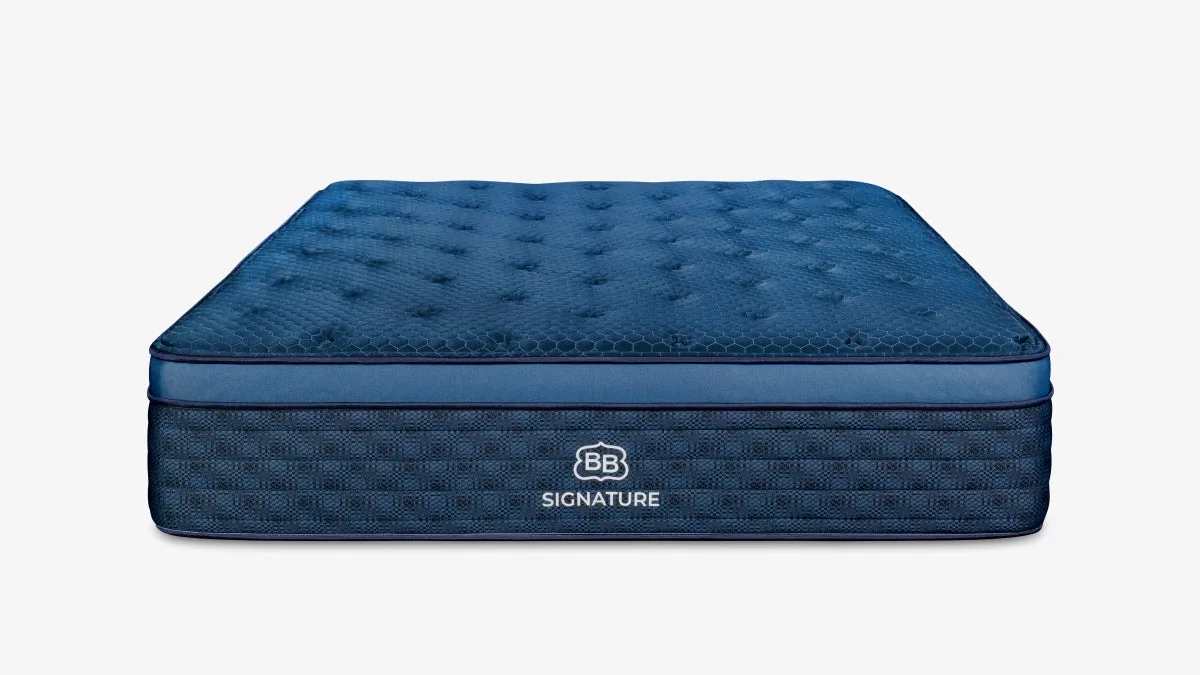
Brooklyn Bedding Signature
Budget Pick · Hybrid · Fiberglass-Free Barrier
$999 Queen · 120-Night Trial · Lifetime Warranty
Why it's fiberglass-free: It uses a fiberglass-free flame barrier in a U.S.-made hybrid at nearly half the cost of organic beds.
Best for: Budget shoppers replacing a boxed foam bed who want a fiberglass-free build under $1,100.
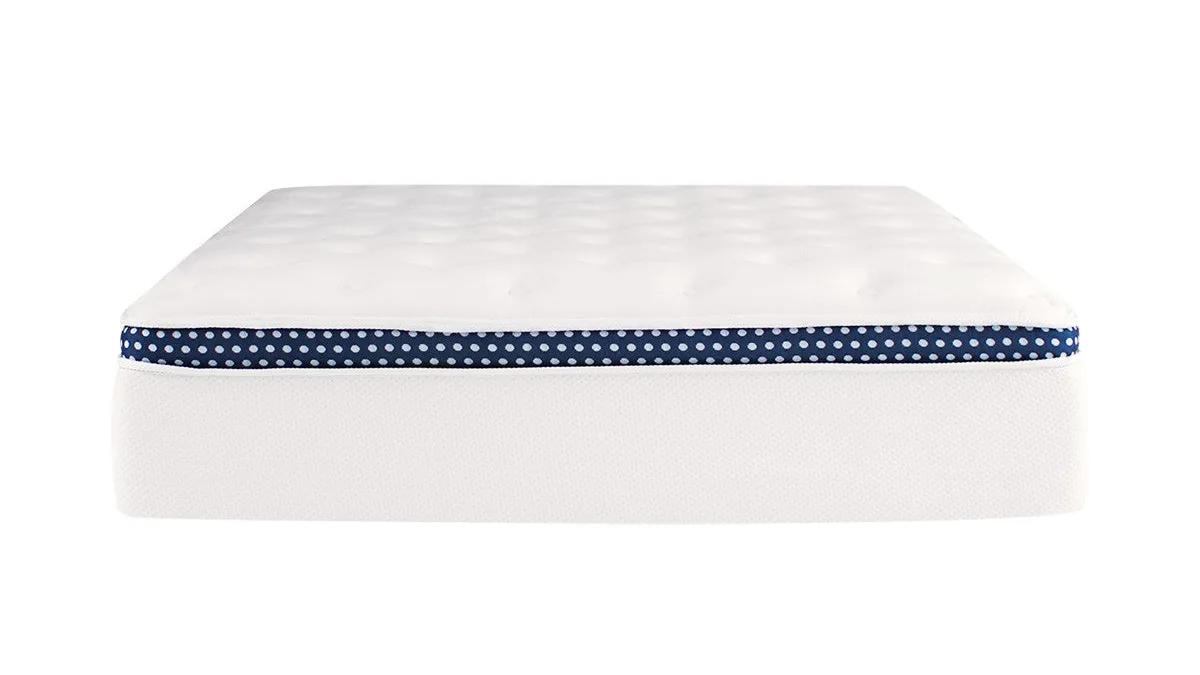
Why it's fiberglass-free: WinkBeds uses a fiberglass-free rayon fire barrier across all four firmness levels. Returns are $0 during the 365-night trial.
Best for: Shoppers who want classic coil support, four firmness choices, and zero fiberglass.
No, Big Fig mattresses don't have fiberglass. Big Fig confirms that all four of its 2026 models are 100% fiberglass-free.
QWhat does Big Fig use instead of fiberglass?
Big Fig uses a natural blend of cotton, linseed, and flax as its fire barrier. This plant-based barrier helps the bed pass federal open-flame and cigarette safety tests.
QAre Big Fig foams safe from toxic chemicals?
Yes, every polyfoam layer in a Big Fig mattress is CertiPUR-US certified. That means the foams have low VOC emissions and don't contain PBDEs, TDCPP, TCEP, mercury, lead, or formaldehyde.
QHas Big Fig ever had a CPSC recall?
No, Big Fig hasn't had any recalls on the CPSC database as of November 2026. This clean record includes every Big Fig mattress, the Heavy-Duty Foundation, and the Adjustable Base.
QWhere are Big Fig mattresses made?
Big Fig builds all four of its 2026 mattress models in Cleveland, Ohio. Each bed uses ThermoGel covers, 2.5-lb foams, and 15-gauge coils.
QHow much weight can a Big Fig mattress hold?
Big Fig mattresses are tested to hold up to 1,200 lbs. without sagging over time. The Classic model also uses 1,600 individual coils in a king size for strong support.
Sources, primary references & how we check
How we check facts: We checked 4 primary sources and federal CPSC recall listings on Nov 25, 2026. We don't cut beds open or run a lab. We report what makers publish and what public federal safety files say.
Nappedia Research Team
Primary-Source Fact Checking
Our research team reads official fire-barrier pages, law-tag notes, and U.S. CPSC 16 CFR Part 1633 rules directly at the source.
TechRadar Mentioned Big Fig Doesn't Use Fiberglass (bigfigmattress.com). Big Fig was featured in TechRadar's list of mattress brands that do not use fiberglass in. Checked Nov 25, 2026. View source →
The Cooling Mattress For Heavy People | Big Fig (bigfigmattress.com). Big Fig mattresses are tested to hold up to 1,200 lbs. with no sagging over time. Checked Nov 25, 2026. View source →
Mattresses, Mattress Pads, & Mattress Sets | CPSC.gov (cpsc.gov). 16 C.F.R. part 1632 addresses smoldering ignition of a mattress or mattress pad when exposed to. Checked Nov 25, 2026. View source →
16 CFR Part 1633 (eCFR) Standard for the Flammability of Mattress Sets (ecfr.gov). Federal open-flame safety regulation governing all U.S. mattress sets. Checked Nov 25, 2026. View source →
Related Fiberglass Guides
Explore more brand & model fiberglass checks
Compare fire barriers across brands or visit our main Fiberglass Safety Hub for cleanup steps.